
Seals at the Bay: safe encounters
As part of our conservation work two marine mammal medics share their expert insights on Cornwall's grey seals, and how small actions can help keep them (and you) safe.
Read more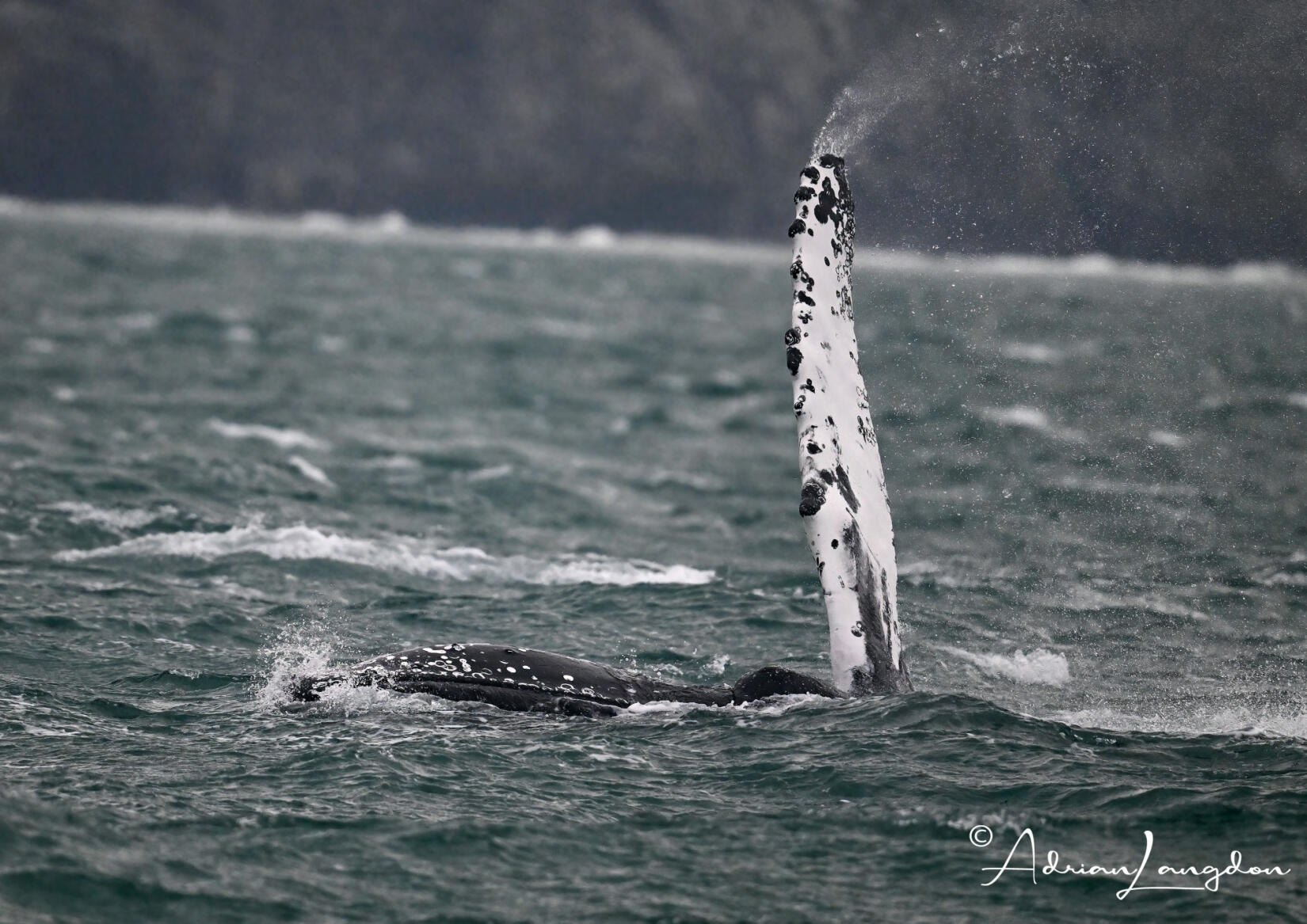
Rebecca Allen is devoted to protecting Cornwall’s marine wildlife, from safeguarding habitats to monitoring the movement of whales, dolphins and seals.
Combining frontline conservation experience with a deep understanding of Cornish waters, Rebecca explains what the recent return of humpback whales really means for our coast – revealing when and where to spot them, how to enjoy encounters responsibly, and why their reappearance is “a powerful reminder of what’s possible when nature is given space to recover.”
Credit: Rupert Kirkwood / Cornwall Wildlife Trust
They are not strangers to Cornish waters, and we have always had one or two sightings reported over the years, but since 2020 they seem to have been visiting us more consistently most often during the winter months, particularly from December through to March, with some sightings continuing into early spring. What’s really exciting is that we’re seeing the same individuals return, which suggests Cornwall is becoming an important feeding stop again.
That is the million-dollar question, because according to the generally accepted understanding of humpback migration patterns they should be further south in warmer waters for the winter! Cornwall’s waters can be very productive, and we’ve seen more shoaling fish like pilchards, sprat and herring in recent winters. Recent research elsewhere in the world has found that animals staying closer to their polar wintering grounds are predominantly female so an interesting idea is that they could just be taking a break from the reproductive activity which is happening in the tropics.
Credit: Rupert Kirkwood / Cornwall Wildlife Trust
Humpback whales are one of the great recovery stories of recent times; by the 1960s when it was banned, intensive whaling had reduced their numbers to less than 5,000 animals and there is now thought to be more than 130,000. So it could be that this recovering population is starting to explore and populate old haunts, which is encouraging, but it does mean we need to be extra careful about how we watch and share these encounters.
“What’s really exciting is that we’re seeing the same individuals return, which suggests Cornwall is becoming an important feeding stop again.”
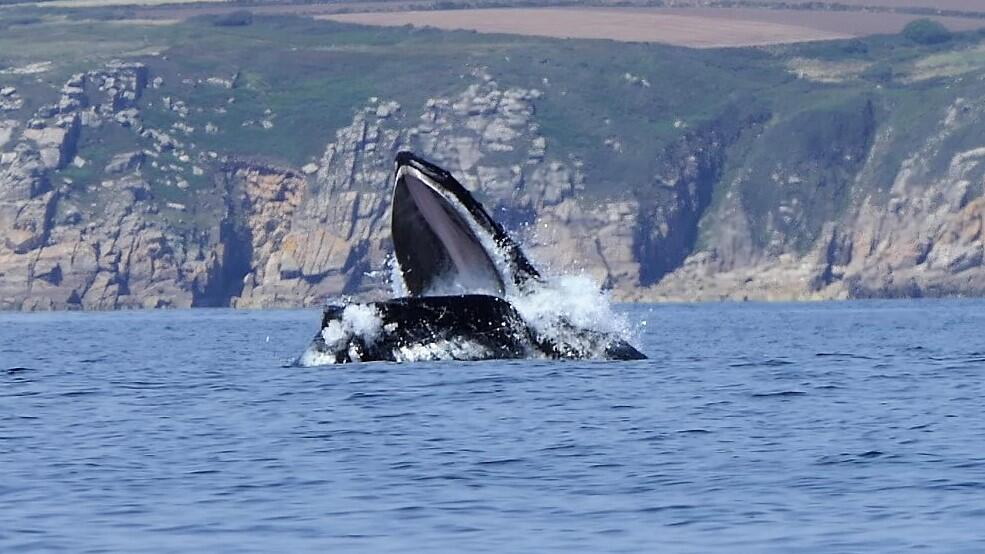
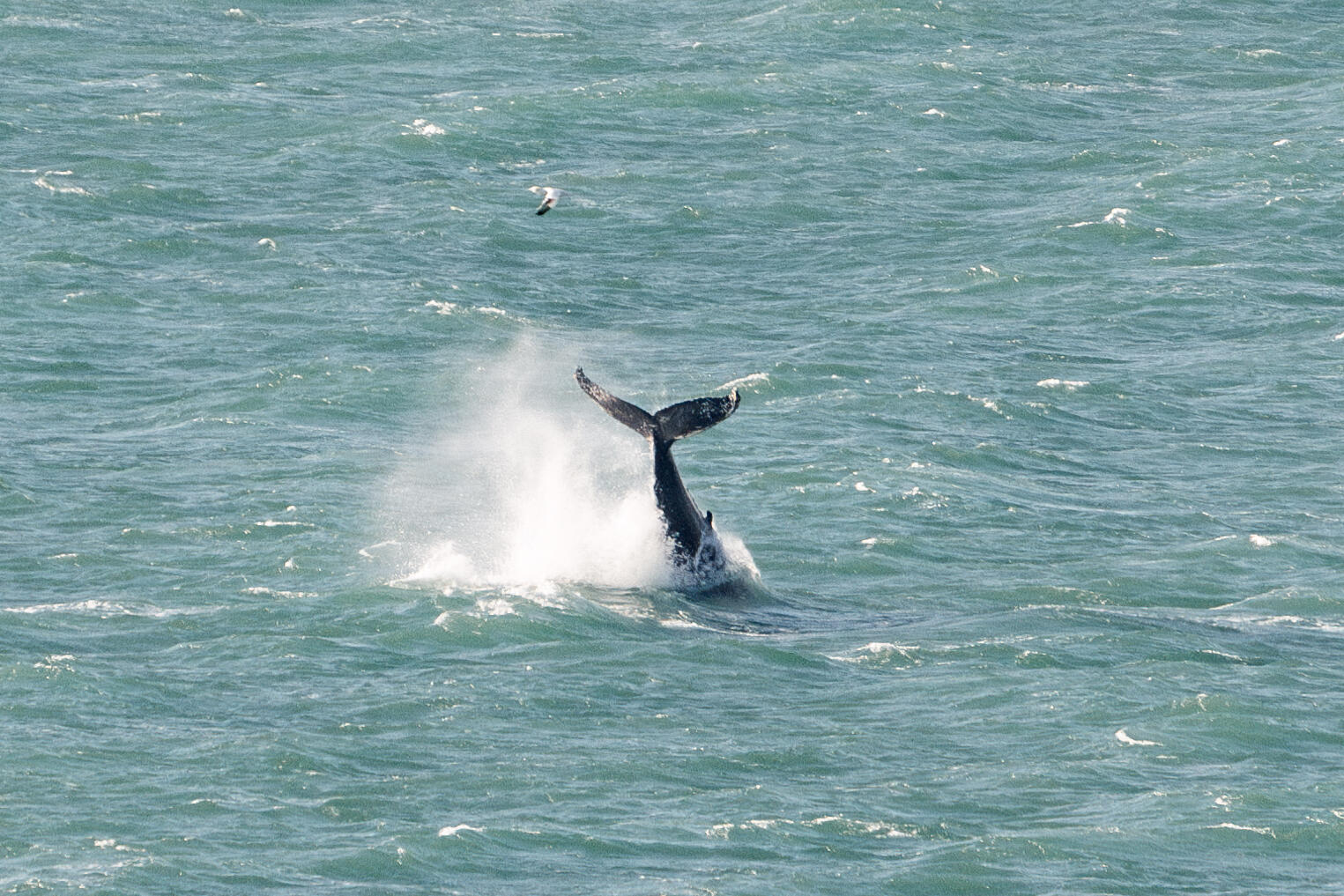
Much closer than people expect. We’ve had sightings just a few hundred metres offshore, particularly when whales are feeding. With their huge pectoral fins making them so much more manoeuvrable than other large whales, they are much more at home in shallow water so it’s possible to have fantastic sightings of them from the coast. This can make them especially vulnerable to boat-based disturbance though. An animal in shallow water is in much greater danger of stranding and that would have fatal consequences for a humpback.
Credit: @andyholterphotogrpahy
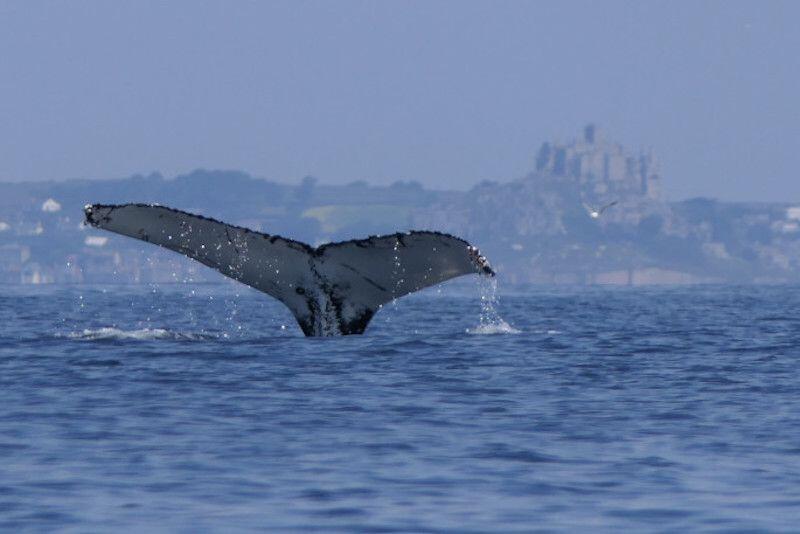
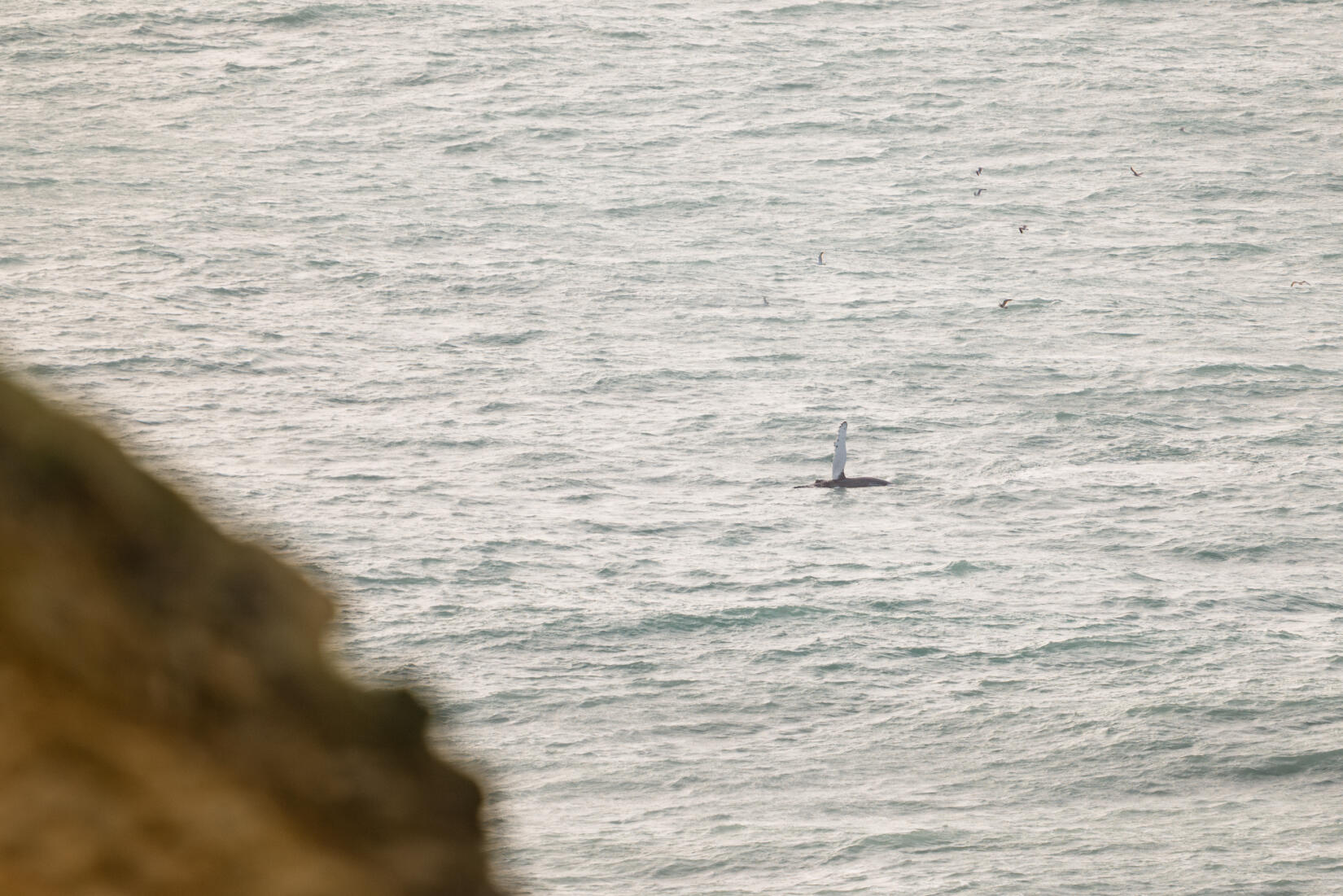
The most obvious sign is the blow. Humpbacks produce a tall, bushy cloud of spray that can rise several metres into the air. They also have very long pectoral fins, which can look almost wing-like when they breach or roll at the surface. If you’re lucky enough to see a tail fluke, those patterns are unique to each whale, rather like a fingerprint.
“Humpbacks produce a tall, bushy cloud of spray that can rise several metres into the air.”
Yes, very much so. Sightings have increased significantly in the last five years. That’s partly down to a genuine difference in the amount of time they are spending in our waters, but also improved reporting, with people knowing who to contact and how to share sightings responsibly. It’s a positive story, but it also comes with responsibility.
Credit: @andyholterphotography
From land is always best. Coastal watching avoids disturbance altogether and can still be incredibly rewarding. Often views from the cliffs are better than at water level. If people are on the water, it’s essential to follow the WiSe wildlife watching guidelines, keeping at least 100 metres away, avoiding sudden changes in speed or direction, and never trying to approach or follow a whale. If a whale changes its behaviour, that’s your cue to move away.
If the animal is alive, contact British Divers Marine Life Rescue and they will quickly get trained marine mammal medics to the scene and can also offer the caller advice. In the meantime, encourage people to keep well away and quiet which helps to keep the animal calm.
For dead animals, they can contact Cornwall Wildlife Trust’s Marine Strandings Network. We train volunteers to document the dead animals which wash ashore and we can help to monitor threats to marine life. We ask people to report the location, what the animal is doing, and any photos if it’s safe to take them.
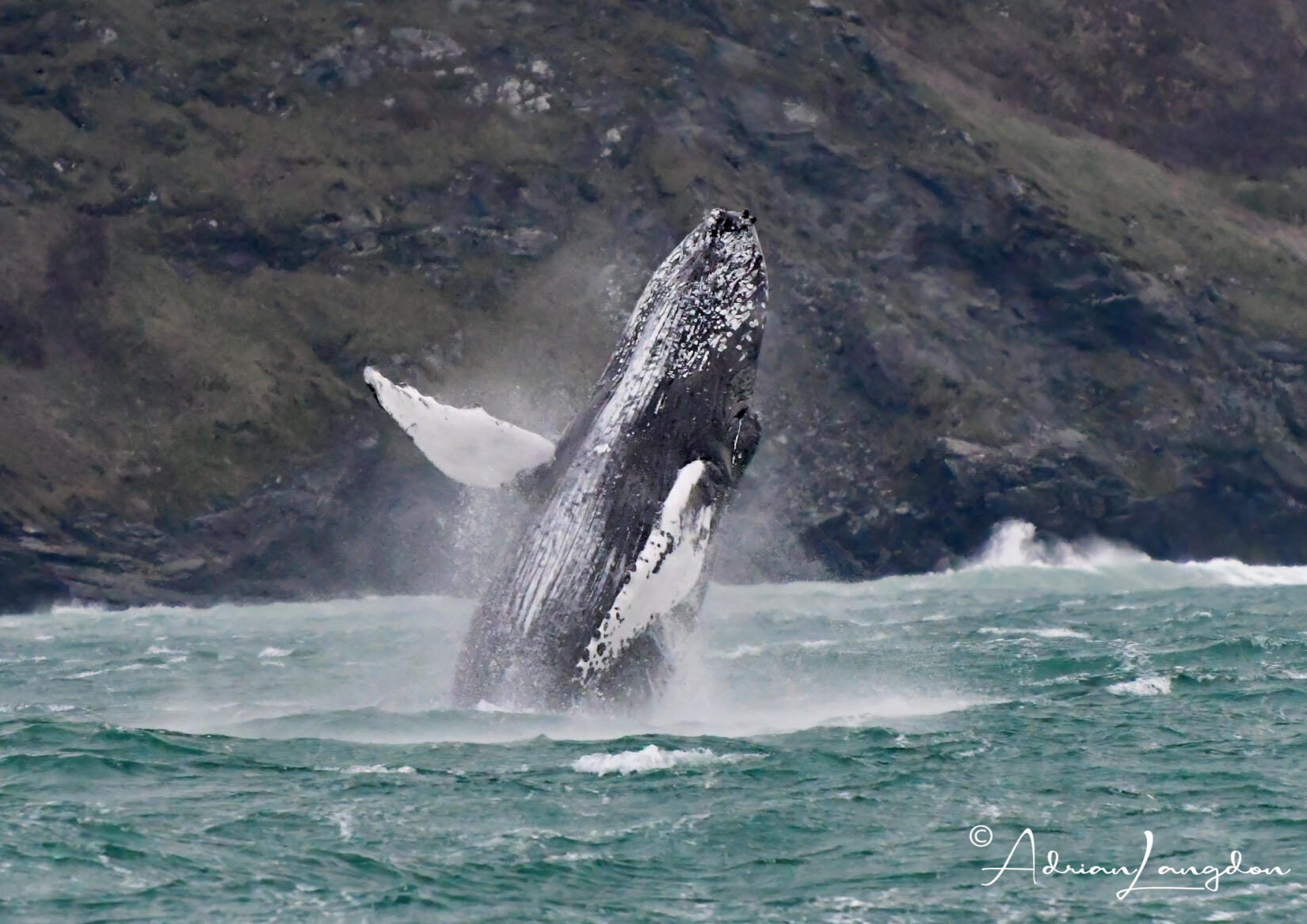
It’s a powerful reminder of what’s possible when nature is given space to recover. Seeing animals like humpback whales return to our coastline is incredibly special, but it also underlines the importance of protecting our seas and behaving responsibly when we’re lucky enough to share them.
Marine Strandings Hotline: 0345 201 2626
British Divers Marine Life Rescue (BDMLR): 01825 765546.
Webpage: Humpback whales in Cornwall | Cornwall Wildlife Trust
As part of our conservation work two marine mammal medics share their expert insights on Cornwall's grey seals, and how small actions can help keep them (and you) safe.
Read moreCornwall Wildlife Trust introduces us to some of the visitors you might spot in our waters and along our coastline.
Read moreFind out what to expect at Watergate Bay's far north end
Read moreWe spoke to local ecologist and lecturer John Blackburn to learn more about our local Jackdaw colony- from facial recognition, to high level showing off.
Read moreThe waters off the Cornish coast provide a home for thousands of species, here's our guide on where to find them.
Read moreWe'd love to keep in touch and send you the latest news, events, competitions and offers from the Bay. Sign up to receive our e-newsletter.