
Tammy's homemade playdough recipe
Tammy's go to recipe for homemade playdough, using simple cupboard ingredients.
Read more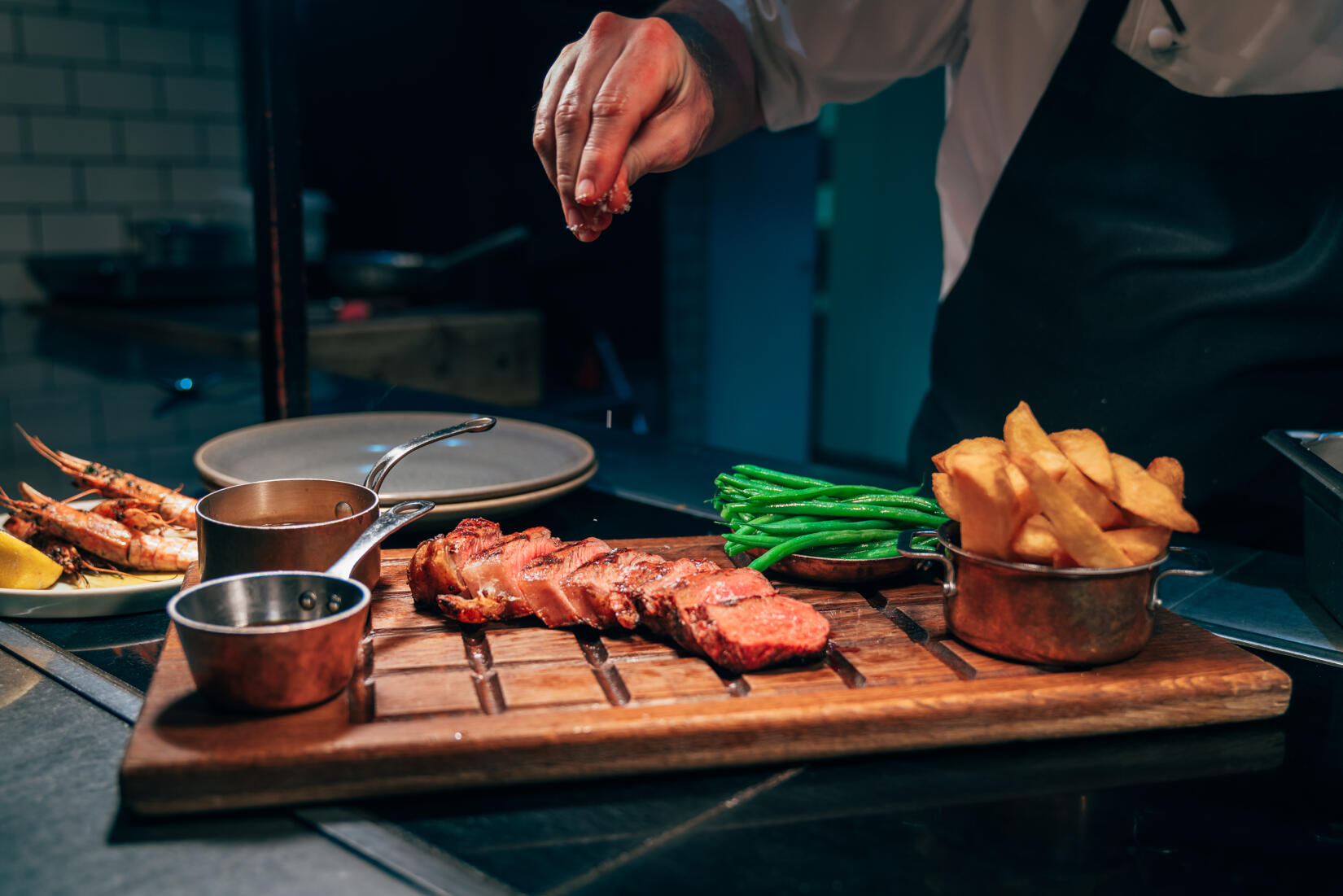
Seasoning is what sets the chef aside from the amateur cook, and it’s much more that just salt and pepper. Here’s our guide to seasoning and why it is so important.
Seasoning: noun: salt, herbs, or spices added to food to enhance the flavour.
When we asked chef about seasoning the first thing he said was that it’s essential. It creates deep flavours and marries together different ingredients to create balanced, flavoursome food. Seasoning can be sweet, savoury, acid or bitter. Without it, a dish can be bland. It’s probably the easiest way to create a great tasting meal.
Seasoning can be added at the beginning to allow the flavours to develop throughout cooking, or at the end of a recipe to subtly adjust the taste. If you are working with meat or fish you can season directly onto the fillet before cooking. If you are cooking a sauce you can add it at the end.
There are various rules of seasoning. Seasoning can draw out the moisture which can be good or bad for your dish. With meat you could season the fillet just before you add it to the pan, or a long time beforehand if you want to firm up the meat. Curing meat is one stage on from this and used to preserve food.
Salt and pepper are probably the most common but seasoning extends to herbs, spices, lemon juice, vinegars and sugar. Salt is probably the most popular and may be used to draw out water, or to magnify a natural flavour, making it richer or more delicate, depending on the dish. Sometimes salt is rubbed into chicken, lamb, and beef to tenderise the meat and improve flavour.
Other seasoning like black pepper and basil transfer some of their flavour to the food and a well designed dish may combine different seasoning’s that complement each other.
Saline seasonings: salt, spiced salt.
Acid seasonings: vinegar (sodium acetate), lemon juice, orange juices.
Hot seasonings: peppercorns, ground or coarsely chopped pepper, paprika, curry, cayenne, and mixed pepper spices.
Saccharine seasonings: sugar, honey.
Infused oils are also used for seasoning, especially in pasta and salads.
Seasoning depends on taste and preference. Here are our favourite seasoning combinations.
Beef: Bay leaf, cayenne, dill, paprika, oregano, parsley, rosemary, thyme.
Lamb: Basil, cardamom, mint, oregano, paprika, rosemary, turmeric.
Chicken: Bay leaf, nutmeg, parsley, pepper, sage, tarragon, thyme.
Pork: Basil, cardamom, oregano, paprika, parsley, rosemary, sage, thyme.
Fish: Basil, bay leaf, cayenne, chives, dill, fennel, oregano, paprika, parsley, tarragon, thyme
Tammy's go to recipe for homemade playdough, using simple cupboard ingredients.
Read moreOur guests tell us Kids’ Zone makes a real difference to their holiday; it’s not just a footnote. From six-month-olds to teenagers, Kids’ Zone gives them new experiences and friendships they remember.
Read moreFamily holidays can be full – in the best way. Surf lessons, sand castles, one more game, one more ice cream. But, at the Bay, there’s space for you too. Here are five ways to find your own rhythm at Watergate Bay this summer.
Read moreOcean Artist, Scientific Illustrator, and Storyteller, Janavi Kramer.
Read moreAs part of our conservation work two marine mammal medics share their expert insights on Cornwall's grey seals, and how small actions can help keep them (and you) safe.
Read moreWe’re used to marvelling at treasures washed in by the Atlantic, but increasingly, the tide brings microplastics that gather along the shoreline. That’s why we’ve teamed up with Nurdle UK to help clear the Bay.
Read moreWe'd love to keep in touch and send you the latest news, events, competitions and offers from the Bay. Sign up to receive our e-newsletter.